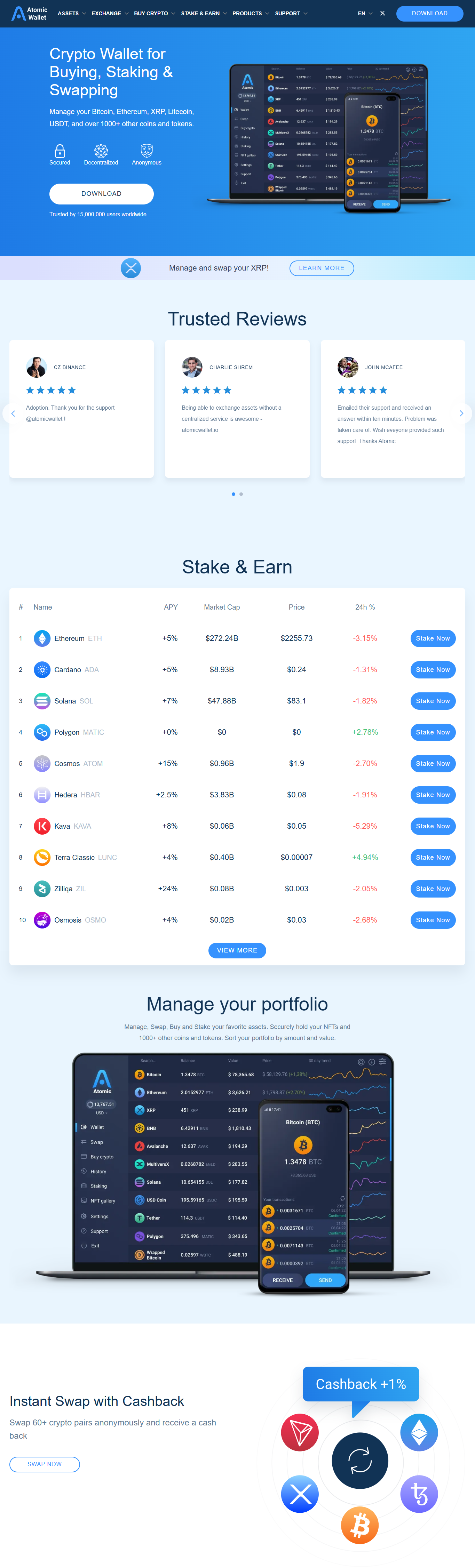
Atomic Wallet: A Complete Guide to Managing Cryptocurrency
Cryptocurrency is becoming an important part of the digital economy, and choosing a suitable wallet is essential for managing digital assets. Atomic Wallet is a cryptocurrency wallet designed to help users store, manage, exchange, and receive supported digital currencies through a convenient interface. Whether you are a beginner or an experienced cryptocurrency enthusiast, understanding its features and security practices can help you make informed decisions.
This guide explores Atomic Wallet, its main features, potential benefits, setup process, and important security considerations. By learning how the wallet works, users can better understand how to manage their cryptocurrency while protecting their digital assets.
What Is Atomic Wallet?
Atomic Wallet is a non-custodial cryptocurrency wallet that supports a range of digital assets and blockchain networks. Its non-custodial design allows users to control their wallet credentials and take responsibility for protecting their recovery information. The wallet provides an interface for viewing supported assets and accessing available cryptocurrency management features.
Unlike a custodial service, where a provider controls the private keys on behalf of customers, a non-custodial wallet gives users greater direct control over their wallet access. However, this independence also means that losing essential recovery information can make it difficult or impossible to regain access to funds.
Key Features of Atomic Wallet
1. Multi-Currency Support
One of the main attractions of Atomic Wallet is its support for multiple cryptocurrencies. Users can manage supported digital assets through a single wallet interface rather than relying on separate applications for every currency. Supported coins, tokens, and networks may change, so always verify compatibility before transferring assets.
2. Send and Receive Cryptocurrency
Atomic Wallet enables users to send and receive supported cryptocurrencies. Receiving funds typically involves sharing the correct wallet address, while sending requires entering the recipient's address and confirming the transaction details.
Before completing a transfer, carefully check the destination address, network, and amount. Cryptocurrency transactions are generally irreversible, and sending assets to an incompatible address or network may result in permanent loss.
3. Cryptocurrency Exchange Options
Depending on the current version, supported assets, and regional availability, Atomic Wallet may provide access to cryptocurrency exchange services. These features can help users exchange eligible digital assets within the wallet experience. Exchange rates, service fees, minimum transaction amounts, and processing times may vary.
Always review the quoted exchange rate and total cost before confirming a transaction. Comparing available options can help users understand the potential expense of exchanging one cryptocurrency for another.
4. Portfolio Overview
Managing several digital currencies can become complicated without an organized interface. Atomic Wallet helps users view supported assets and monitor their wallet balances. This overview can make it easier to understand which assets are held in the wallet and review relevant transaction activity.
5. User-Friendly Interface
A straightforward interface can make cryptocurrency management more approachable for beginners. Atomic Wallet is designed to provide access to wallet functions without requiring users to understand every technical detail of blockchain infrastructure. Nevertheless, users should learn the basics of wallet addresses, network fees, and transaction confirmations before moving significant amounts of cryptocurrency.
Benefits of Using Atomic Wallet
Atomic Wallet offers several potential benefits for people seeking a convenient way to manage supported digital assets. Its multi-currency approach can simplify asset organization, while its non-custodial structure gives users control over their wallet credentials.
Access to supported transfer and exchange features may also help users manage cryptocurrency activities from one interface. However, the available functionality depends on the asset, network, wallet version, and applicable restrictions.
It is important to remember that wallet convenience does not eliminate cryptocurrency market volatility, transaction risks, or security threats. Users should choose a wallet based on their individual requirements rather than assuming that any single product is suitable for everyone.
How to Set Up Atomic Wallet
Getting started with Atomic Wallet involves a few basic steps. Follow the current instructions provided through the authentic application and verify that you are using the legitimate software.
- Download the application: Obtain Atomic Wallet from its verified official distribution channel.
- Install the wallet: Follow the setup instructions for your supported device or operating system.
- Create a new wallet: Follow the instructions to establish a new wallet and generate the necessary recovery information.
- Secure your recovery phrase: Write it down and store it in a private, secure location.
- Review supported assets: Confirm that the cryptocurrency and network you intend to use are compatible.
- Test a transaction: Consider starting with a small transfer to verify the address and network before sending a larger amount.
Atomic Wallet Security Tips
Security should be a priority whenever you manage digital assets. Protect your recovery phrase and never share it with anyone. Avoid storing sensitive wallet information in public documents, unsecured screenshots, or easily accessible cloud accounts.
Download wallet software only from trusted sources and keep your device's operating system updated. Be cautious of fake applications, phishing websites, suspicious support messages, and offers promising guaranteed investment returns.
Before approving an exchange or transfer, review the transaction information carefully. Remember that a non-custodial wallet places significant responsibility on the user. Anyone who obtains your recovery phrase or private keys may be able to access the associated funds.
Common Atomic Wallet Issues
Users may occasionally encounter balance display delays, network congestion, transaction confirmation delays, or application compatibility problems. Checking the network status, confirming that the asset is supported, and ensuring that the application is updated may help identify the cause.
If a transaction appears delayed, verify its status using an appropriate blockchain explorer for the relevant network. Never reveal your recovery phrase to someone claiming to provide technical support or recover missing funds.
Is Atomic Wallet Suitable for Beginners?
Atomic Wallet may appeal to beginners who want an interface for managing multiple supported cryptocurrencies. However, new users should understand the responsibilities associated with non-custodial storage before transferring substantial funds.
Consider the supported networks, security practices, available features, transaction costs, and recovery process when comparing wallet options. A careful evaluation can help you select a wallet that matches your experience level and digital asset management goals.
Conclusion
Atomic Wallet provides a non-custodial approach to managing supported cryptocurrencies through a single interface. Features such as multi-currency support, cryptocurrency transfers, portfolio viewing, and available exchange services can make digital asset management more convenient.
To use Atomic Wallet responsibly, verify software authenticity, protect recovery information, check network compatibility, and review every transaction before confirming it. Understanding these essential practices can help users make more informed decisions while navigating the cryptocurrency ecosystem.