Atomic Wallet: A Complete Guide to Managing Cryptocurrency
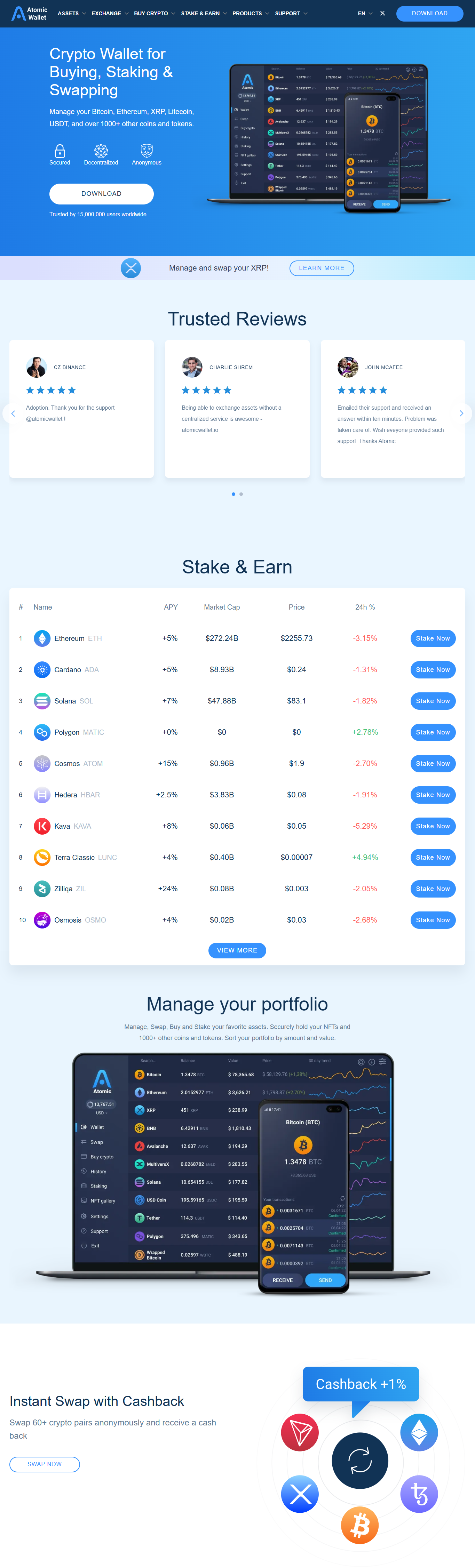
Cryptocurrency has become an important part of the digital economy, and choosing the right wallet is essential for managing digital assets. Atomic Wallet is a multi-currency cryptocurrency wallet designed to help users store, receive, send, and manage supported cryptocurrencies through a convenient interface. Its range of wallet features makes it a topic of interest for beginners and experienced cryptocurrency enthusiasts alike.
Whether you are exploring blockchain technology for the first time or looking for a practical way to organize your digital assets, understanding Atomic Wallet can help you make an informed decision. This guide explains its main features, benefits, setup process, security practices, and important considerations for everyday cryptocurrency management.
What Is Atomic Wallet?
Atomic Wallet is a non-custodial cryptocurrency wallet that supports a variety of digital assets and blockchain networks. A non-custodial wallet allows users to control their wallet credentials rather than relying on a centralized provider to manage their private keys. This approach offers greater control over supported assets but also places responsibility for wallet security and recovery on the user.
The wallet provides an interface for viewing supported cryptocurrency balances and accessing available wallet functions. Its features and supported assets may change over time, so users should verify compatibility before transferring any digital currency.
Key Features of Atomic Wallet
1. Multi-Currency Support
One of the main attractions of Atomic Wallet is its support for multiple cryptocurrencies. Depending on the current version, users can manage various supported coins and tokens through one application. This can make it easier to organize digital assets without maintaining a separate wallet interface for every supported currency.
However, not every token or blockchain network is necessarily compatible. Always confirm the correct network and asset details before sending or receiving cryptocurrency.
2. Sending and Receiving Cryptocurrency
Atomic Wallet allows users to send and receive supported cryptocurrencies. To receive funds, users typically share the appropriate wallet address with the sender. To send funds, they enter the recipient's address, specify the amount, and review the transaction before confirming it.
Accuracy is essential because blockchain transactions are generally irreversible. Checking the address, network, and transfer amount can help prevent costly mistakes.
3. Cryptocurrency Exchange Options
Depending on the available services, Atomic Wallet may provide access to cryptocurrency exchange features through supported providers. These services can allow users to exchange eligible digital assets without manually managing every step through separate platforms.
Exchange availability, supported trading pairs, minimum amounts, and transaction costs can vary. Review the quoted exchange rate and all applicable fees before approving a transaction.
4. Portfolio Management
A cryptocurrency wallet can help users keep track of their digital assets in one place. Atomic Wallet offers tools for reviewing supported holdings and monitoring wallet balances. This information can help users understand how their cryptocurrency assets are organized.
Remember that displayed portfolio values may change as cryptocurrency market prices fluctuate. A wallet balance does not guarantee a particular investment return or protect users from market volatility.
5. User-Friendly Interface
Atomic Wallet is designed to provide a straightforward experience for accessing cryptocurrency management functions. A clear interface can help users locate balances, wallet addresses, and supported services more easily. Beginners should still learn the basics of blockchain transactions before transferring significant amounts of cryptocurrency.
Benefits of Using Atomic Wallet
Atomic Wallet offers several potential benefits for people who want to manage supported digital currencies independently. Its multi-currency functionality can simplify asset organization, while its non-custodial design gives users greater control over their wallet credentials.
Another advantage is the ability to access supported wallet functions through a single application. Depending on the current version, users may also have access to exchange services and additional cryptocurrency management features.
Nevertheless, the right wallet depends on individual requirements. Users should compare supported networks, available features, transaction fees, security practices, and device compatibility before choosing a solution.
How to Set Up Atomic Wallet
Getting started with Atomic Wallet generally involves a few basic steps. Always obtain the application through a trusted source and verify its authenticity before installation.
- Download the application: Choose a version compatible with your supported device and operating system.
- Install and open the wallet: Follow the application's setup instructions.
- Create or restore a wallet: Select the appropriate option and carefully follow the displayed guidance.
- Secure your recovery phrase: Record the recovery information and store it in a safe, private location.
- Review supported assets: Confirm that the cryptocurrency and network you intend to use are compatible.
- Test a transaction: When appropriate, consider starting with a small transfer to verify the recipient address and network.
Atomic Wallet Security Tips
Security is essential when managing cryptocurrency through any non-custodial wallet. Protect your recovery phrase and never share it with anyone. Anyone who obtains the necessary recovery credentials may be able to gain access to your wallet.
Use a secure device, install software updates from trusted sources, and protect your computer or mobile device with appropriate security measures. Avoid suspicious downloads, unsolicited support messages, and websites that promise guaranteed investment profits.
Before approving transactions, verify the recipient address, transaction amount, network, and applicable fees. Be cautious when using exchange services or interacting with unfamiliar applications. If you suspect that your wallet credentials have been exposed, consult trusted security guidance promptly.
Atomic Wallet Fees and Limitations
Wallet-related costs depend on the transaction and service being used. Cryptocurrency transfers may require blockchain network fees, while exchange services may include spreads or other charges. Fees and service availability can change, so review the transaction details before confirming any operation.
Atomic Wallet also has limitations. Supported assets and features may vary by platform, and self-custody means that losing recovery information can make wallet restoration difficult or impossible. Cryptocurrency prices can fluctuate significantly, and transactions may not be reversible.
Is Atomic Wallet Suitable for Beginners?
Atomic Wallet may appeal to beginners who want to explore supported cryptocurrencies through one application. Its wallet interface can simplify basic tasks such as reviewing balances and receiving digital assets. However, new users should understand private keys, recovery phrases, transaction fees, and network compatibility before making transfers.
Comparing several wallet options and starting with small transactions can help beginners develop confidence while limiting avoidable mistakes.
Conclusion
Atomic Wallet is a multi-currency, non-custodial cryptocurrency wallet designed to help users manage supported digital assets through a single interface. Its features may include cryptocurrency transfers, portfolio management, and access to exchange services, depending on current availability.
By verifying asset compatibility, protecting recovery information, checking transaction details, and understanding associated costs, users can manage their cryptocurrency more responsibly. Careful research and strong security habits remain essential when choosing Atomic Wallet or any other cryptocurrency wallet.